OUGIST KNOWLEDGE BASE · PRACTICAL FIRE SAFETY
A familiar piece of advice can feel reassuring in an emergency. The problem is that several common fire “solutions” can increase danger or use up time you need to escape.
These five myths connect directly to our carousel series. Replace each one with a specific action now, while there is time to think. They are educational examples, not a ranking by how often people believe them.
1. Myth: Water is the answer to any small fire
Water is not a universal fire response. On burning cooking oil, it can cause a violent spread of hot oil and flames. A glass or saucepan of water that seems like an obvious tool can therefore make a contained cooking emergency much worse.
For a small fire confined to a cooking pan, a lid and turning off the burner may be appropriate only if you can act safely. Slide the lid over the pan, keep it covered until cool, and never carry a burning pan. If you are uncertain or the fire is spreading, leave and call 911. This guidance is not an invitation to remain in smoke.
What to do
- Keep a suitable lid near the cooking area before starting.
- Never pour water onto burning oil.
- Leave immediately when safe intervention is uncertain.
Keep in mind: The fire’s fuel and your escape conditions determine the response.
Source: USFA: Cooking fire safety.

2. Myth: The smell of smoke will wake me
You cannot plan a safe escape around noticing smoke in your sleep. Working smoke alarms provide the warning your household needs. Treat their placement, operation and replacement as part of the escape plan, not as a decoration already handled when you moved in.
USFA recommends smoke alarms inside bedrooms, outside sleeping areas and on every level, including the basement. Test them monthly and follow their replacement instructions. Discuss appropriate alerting equipment for anyone who cannot reliably hear or respond to an ordinary audible alarm.
What to do
- Test alarms using the test button according to instructions.
- Report missing or faulty alarms promptly in rental housing.
- Choose an outdoor meeting point and practice getting there.
Keep in mind: An alarm tells you to act; it does not create an unlimited escape window.
Source: USFA: Smoke alarms.

3. Myth: Opening windows will make a fire safer
Ventilation affects how a fire develops. Opening a door or window can change the supply of air and the movement of heat and smoke. Firefighters manage ventilation as part of a coordinated response; an occupant should not stay behind to improvise it.
This is different from ventilating ordinary cooking smells when there is no fire. During a fire, use your planned safe escape route and close doors behind you if doing so does not delay escape. A window may be part of a planned emergency exit, but opening windows merely to clear smoke is not the same thing.
What to do
- Do not stop to open windows as a fire-control strategy.
- Use a safe planned exit and avoid smoke-filled routes.
- If trapped, close the door and call 911 with your location.
Keep in mind: Do not turn an escape decision into a ventilation experiment.
Source: FSRI: Impact of ventilation on residential fire behavior.

4. Myth: I have time to grab a few belongings
Searching for a phone, wallet or pet can lead you away from the exit just as conditions change. Fire escape plans work best when everybody understands what happens next: leave, meet outside and stay outside.
Keep your route clear and agree on a recognizable meeting place in advance. If someone or a pet is missing, tell firefighters where they may be; do not re-enter. If you cannot reach your usual exit safely, use the alternative in your plan or call 911 from a protected location and give precise information.
What to do
- Leave belongings where they are during evacuation.
- Meet at the agreed outdoor location.
- Tell arriving firefighters about anyone unaccounted for.
Keep in mind: Being outside is not permission to go back inside.
Source: USFA: Home fire escape plans.

5. Myth: A small fire is automatically safe to fight
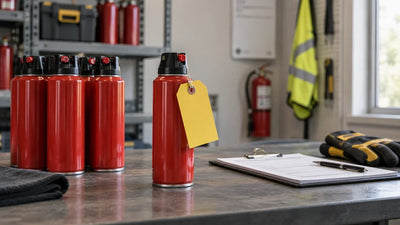
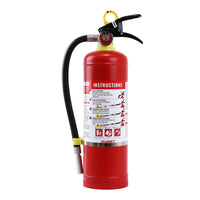
Size is only one part of the decision. You also need the correct extinguisher, knowledge of how to use it, no exposure to dangerous smoke and a clear escape route. USFA’s decision guidance also includes alerting others and calling the fire department.
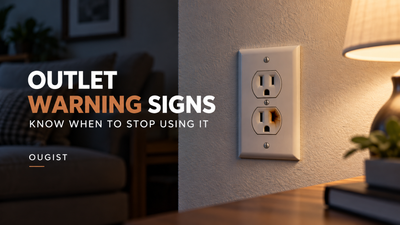
A small visible flame can coexist with a hidden electrical fault, a failing battery or spreading heat. Equipment carried into an unsafe situation cannot restore a lost exit. If you do not know what is burning or doubt any of the conditions, evacuation is the appropriate choice.
What to do
- Know the equipment’s labeled uses before an emergency.
- Keep your exit available and avoid exposure to smoke.
- Stop and leave if the fire grows or the attempt is ineffective.
Keep in mind: An extinguisher is an option under limited conditions, not a duty to stay.

A practical check to do today
- Agree that nobody goes back for belongings.
- Test alarms and review assistance needs.
- Locate a lid for your usual cooking pans.
- Discuss when everybody will evacuate without attempting suppression.
Frequently asked questions
Can I use water on a grease fire?
No. It can spread burning oil and flames. For a small contained pan fire, use a lid and turn off the burner only if safe; otherwise evacuate.
Should I open a window when a room is on fire?
Do not stop to ventilate a fire. Openings can change fire behavior. Follow your safe escape plan; a planned window exit is a different situation.
Does owning an extinguisher mean I should use it?
No. Correct equipment, training, a contained fire, protection from smoke and a clear exit are essential conditions. If uncertain, leave.
Keep learning
Review the equipment after the safety check
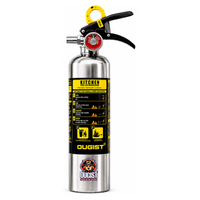
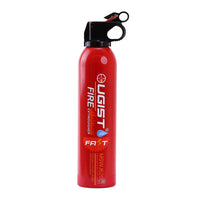
For a kitchen equipment review, read the labeled uses and operating instructions for OUGIST’s stainless-steel Class K kitchen extinguisher. Its cooking-oil purpose does not make it suitable for every electrical or battery event. Prevention, a working alarm and a clear exit remain the starting point.
Read product details and instructions
September 2026 preparedness offer: OUGIST’s National Preparedness Month promotion provides an extra 15% off eligible storewide purchases automatically at checkout, through September 30, 2026 at 11:59 p.m. MDT. Check current availability and final pricing at checkout. This independent OUGIST promotion is not sponsored or endorsed by FEMA or NFPA.
By Mark, Ougist Content Team. Sources and product information reviewed September 13, 2026. Images are illustrative AI-generated visuals; they are not photographs of documented incidents.
Sources and further reading
- USFA: Cooking fire safety
- USFA: Smoke alarms
- FSRI: Impact of ventilation on residential fire behavior
- USFA: Home fire escape plans
- USFA: Choosing and using fire extinguishers
NFPA reference: NFPA: Cooking Safety tip sheet (PDF)