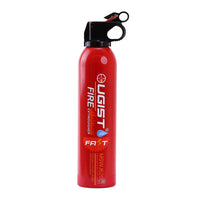
Fire extinguishers are not one-size-fits-all. Each class is designed for a specific type of fuel, and using the wrong agent can spread a fire instead of stopping it. The two labels you will see most often for home use are ABC and Class K — here is what they actually mean.
What the letters stand for
- Class A: ordinary combustibles — wood, paper, cloth, cardboard, most plastics.
- Class B: flammable liquids — gasoline, oil, paint, solvents.
- Class C: energized electrical equipment — wiring, appliances, outlets.
- Class K: cooking oils and fats — the high-temperature grease fires found in kitchens.
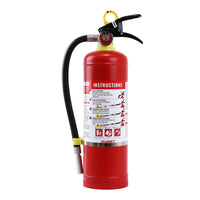
An ABC extinguisher uses a dry chemical powder (usually monoammonium phosphate) that works on all three of the most common household fire types. That versatility is why it is the standard recommendation for living rooms, bedrooms, garages and hallways.
Why kitchens are different
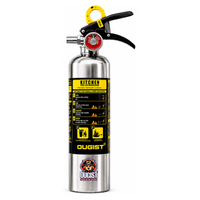
Modern cooking oils burn hotter than ever, and a deep-pan grease fire can hold enormous heat energy. Class K extinguishers discharge a wet chemical agent that does two things at once: it cools the oil and reacts with it to form a soapy foam layer — a process called saponification — that seals the surface and prevents re-ignition.
A dry-chemical blast aimed at a pan of burning oil can splash burning grease across the kitchen. For stovetop grease fires, a gentle wet-chemical agent, a tight-fitting lid, or a fire blanket is the safer first move.
So which one do you buy?
For most US homes, the practical answer is both, in different spots. An ABC multipurpose unit covers the widest range of risks and belongs on every floor. A Class K or kitchen-rated unit belongs within arm's reach of the stove, where grease fires are most likely and where its cooling, non-splashing discharge shines.
- Living areas, bedrooms, hallways: ABC multipurpose dry chemical.
- Kitchen: Class K wet chemical or a kitchen-rated unit near the stove.
- Garage/workshop: ABC, with a higher B rating if you store fuel or paint.
- Vehicle: compact ABC unit mounted securely within the driver's reach.
Whatever you choose, check the label before you buy: the class letters and the UL rating tell you exactly what the extinguisher can handle. And remember — any extinguisher only works if everyone in the household knows where it is and how to pull the pin.
Only fight a fire that is small, contained, and not between you and your exit. If in doubt, get out, close the door behind you, and call 911.