OUGIST KNOWLEDGE BASE · PRACTICAL FIRE SAFETY
“It is cold.” “The battery is dead.” “The flame is inside glass.” Those descriptions can sound reassuring while leaving out the condition that actually matters.
This guide follows five familiar objects from our hidden-risks carousel. Each is a different lesson in retained heat, electrical energy or fuel. The list is editorial, not a measured ranking of household fire causes.
1. Oil-soaked wood-finishing rags
Certain drying oils used in wood finishes release heat as they react with air. If used cloths are piled together, the pile can retain that heat rather than allowing it to dissipate. A flame or electrical spark is not always needed for ignition. This is a concern about particular finishing products, not a claim that every damp cleaning cloth behaves the same way.
Before starting a project, read the finish label and plan how to handle the used rags. Do not leave a warm pile on a workbench, in a bag or in a rubbish bin. Manufacturer instructions may specify drying and storage procedures that must be followed together.
What to do
- Keep used finishing rags from accumulating in a pile.
- Follow the product directions for separating, drying or containing them.
- Confirm disposal arrangements with your local household hazardous-waste service.
Keep in mind: Finish the rag-handling step before considering the project complete.
Source: Seattle Fire Department: Spring clean for a safer household.

2. A weak or apparently dead 9-volt battery
The two terminals on a 9-volt battery sit close together. A conductive object touching both can create a short circuit. A battery that can no longer power your device may still retain enough energy to make careless storage hazardous.
A drawer containing loose batteries, coins, keys and other metal objects deserves attention. Keep batteries in packaging or a suitable separate container, and protect exposed terminals before storage or disposal. This is also a useful reminder to follow the rules for each battery chemistry rather than treating every battery as ordinary rubbish.
What to do
- Cover the exposed 9-volt terminals with nonconductive electrical tape.
- Keep loose batteries away from metal objects and steel wool.
- Check local collection or disposal instructions.
Keep in mind: Too weak to run a device does not mean electrically empty.

3. Fireplace ash that looks cold
A grey surface does not tell you what is happening inside a pile of ash. Embers can remain hidden below it. Putting ash in plastic, cardboard or a general rubbish bin can bring retained heat into contact with readily combustible materials.
Allow ashes to cool and use a metal container with a tight-fitting lid. USFA advises placing the container outside at least 10 feet from the home and other buildings. A metal pail still needs a safe location: a wooden deck or space beside stored firewood undermines the precaution.
What to do
- Use a suitable metal container with a tight-fitting lid.
- Keep it outdoors, away from buildings and things that can burn.
- Do not add ashes with remaining heat to household rubbish.
Keep in mind: Do not rely on appearance or a quick surface check to decide that ash is harmless.
Source: USFA: Fireplace and wood stove ashes.

4. A candle enclosed in a glass jar
Glass surrounds the wax; it does not eliminate the open flame or the heat around it. Curtains, loose paper, shelving and bedding can still enter the hazard area. Children or pets may also disturb a candle or its supporting surface.
USFA advises keeping lit candles at least 12 inches from anything that can burn, using stable holders and extinguishing candles before leaving the room or sleeping. Follow the candle maker’s instructions about wick length, burn duration and when to stop using the remaining wax.
What to do
- Use a stable, clear location with adequate clearance.
- Blow out candles before leaving or going to sleep.
- Choose a flameless candle when supervision is uncertain.
Keep in mind: A decorative container is not a substitute for supervision.
Source: USFA: Candle fire safety.

5. An apparently empty propane cylinder
A cylinder described as empty may still contain propane vapor. That remaining fuel makes its storage location important even when the grill will no longer run. An enclosed space can allow leaking gas to accumulate.
Follow the supplier’s cylinder-handling instructions. Store spare grill cylinders outdoors, upright and secured in a well-ventilated location, away from heat and ignition sources. A garage, basement or enclosed shed is not an appropriate substitute for outdoor storage. Do not keep a spare under or beside the grill.
What to do
- Keep spare cylinders outside, upright and stable.
- Keep them away from the grill and other heat sources.
- Ask the propane supplier about return or disposal; never puncture a cylinder.
Keep in mind: If you suspect a leak, move away and contact emergency services or the supplier from a safe place.
Source: Propane Education & Research Council: Portable propane cylinder safety.

A practical check to do today
- Separate batteries from loose metal.
- Plan finishing-rag disposal before your next DIY project.
- Check where the ash pail and spare grill cylinder are stored.
- Replace an unattended candle habit with a flameless option.
Frequently asked questions
Can a dead 9-volt battery still be a fire risk?
Yes. It may retain energy, and nearby metal can bridge its closely spaced terminals. Protect the terminals and store it separately from metal.
Is ash safe once it looks grey?
No. Embers may remain beneath a cold-looking surface. Let ashes cool and use a lidded metal container in a suitable outdoor location.
Are all oily rags equally hazardous?
No. Self-heating is associated with particular products, including certain drying oils used in finishes. Read the exact product label and follow its disposal instructions.
Keep learning
Review the equipment after the safety check
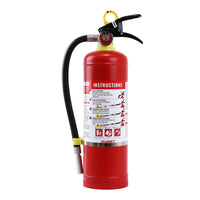
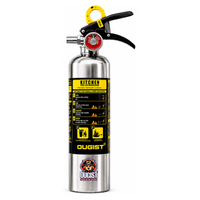
Safe storage and disposal come first. When reviewing the rest of your home’s equipment, compare an OUGIST ABC extinguisher’s label, operating instructions and maintenance needs with your intended location. A portable extinguisher does not make a propane leak or a self-heating rag pile safe to approach.
Read product details and instructions
September 2026 preparedness offer: OUGIST’s National Preparedness Month promotion provides an extra 15% off eligible storewide purchases automatically at checkout, through September 30, 2026 at 11:59 p.m. MDT. Check current availability and final pricing at checkout. This independent OUGIST promotion is not sponsored or endorsed by FEMA or NFPA.
By Mark, Ougist Content Team. Sources and product information reviewed September 13, 2026. Images are illustrative AI-generated visuals; they are not photographs of documented incidents.
Sources and further reading
- Seattle Fire Department: Spring clean for a safer household
- Idaho State Fire Marshal: 9-Volt Battery Safety
- USFA: Fireplace and wood stove ashes
- USFA: Candle fire safety
- Propane Education & Research Council: Portable propane cylinder safety
- USFA: Smoke alarms
- USFA: Home fire escape plans
- USFA: Choosing and using fire extinguishers
NFPA reference: NFPA: Safety with Oily Rags