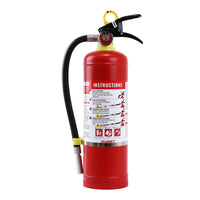
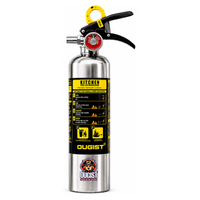
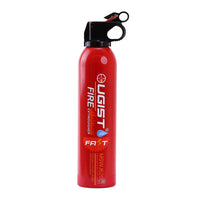
An extinguisher you cannot find in ten seconds is decoration. Where and how you store each unit matters as much as which class you bought — and a few simple placement rules make the difference between a tool and a paperweight.
Visible beats hidden, every time
The most common storage mistake is tucking the extinguisher away — under the sink, in a closet, behind a door — because it "doesn't match the decor." In a fire, adrenaline is high and visibility is low. Mount units in plain sight, along your natural escape routes, so you can grab one on your way out without ever turning your back on an exit.
- Mount 3.5 to 5 feet off the floor — easy for adults, out of toddlers' reach.
- Near room exits and stairwells, never in dead-end corners.
- In the kitchen: within about 10 feet of the stove, but not directly above it.
- In the garage: by the exit door, away from the flammables cabinet.
Mind the environment
Most household dry-chemical extinguishers are rated for storage between about -40°F and 120°F, but extreme heat accelerates pressure loss and deep cold can affect discharge. Avoid mounting units next to radiators, ovens or in direct sun through a window. In unheated garages in cold climates, check the gauge more often and consider bringing the unit closer to conditioned space.
Never store an extinguisher lying loose on a shelf or the floor where it can fall, corrode, or have its pin knocked out. Use the mounting bracket it shipped with — that is what it is for.
The 10-second monthly check
Once a month — many families tie it to checking smoke alarms — walk past each unit and confirm three things: the pin and tamper seal are intact, the gauge needle is in the green, and nothing is blocking access. Once a year, look over the hose, nozzle and body for cracks, rust or dents.
- Needle in the green zone on the pressure gauge.
- Pin in place, tamper seal unbroken.
- No visible rust, dents, or corrosion on the cylinder.
- Manufacture date under 10–12 years old — replace after that.
Finally, make sure every adult and teenager in the house knows where each unit lives and how the PASS technique works: Pull the pin, Aim at the base of the fire, Squeeze the handle, Sweep side to side. Placement gets the extinguisher to your hand — practice gets it to the fire.