OUGIST KNOWLEDGE BASE · PRACTICAL FIRE SAFETY
A dorm room has to serve as bedroom, study space and storage area. When all of that fits into a small shared space, a charging cable or cooking shortcut can affect more than one person.
Start with your residence hall’s appliance list and fire procedures. The five risks below explain the reasons behind common rules. They are not a substitute for your campus requirements, which may be stricter than general home-safety guidance.
1. Cooking where the residence hall does not allow it
A convenient countertop appliance may not be permitted in a dorm room. Residence halls set rules around wiring, space, ventilation and supervision. A device allowed in an apartment kitchen is not automatically suitable for a bedroom desk.
Use the designated cooking area and stay with food while it cooks. Cooking late at night, while distracted or after drinking can make supervision harder. If a small cooking fire develops, do not carry the pan or add water to burning oil. Follow the building’s emergency procedures and leave if safe action is uncertain.
What to do
- Check the campus list before buying or plugging in an appliance.
- Stay with cooking and switch the heat off before leaving.
- Keep wrappers, paper towels and other combustibles away.
Keep in mind: Campus permission and safe use are both necessary.

2. Overloaded or chained power strips
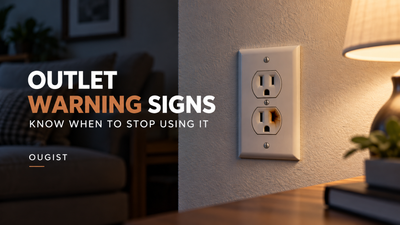
Two roommates can gradually add more equipment without realizing they share a limited electrical setup. A strip’s spare sockets do not add electrical capacity. Chaining strips or extension cords also makes the arrangement harder to inspect and easier to misuse.
Follow the residence hall’s power-strip and appliance rules. Equipment such as a mini-fridge should use the connection specified by the manufacturer and campus; do not assume it belongs on a desktop strip with small electronics. Stop using damaged cords, loose outlets or equipment with a burning smell.
What to do
- Never plug one power strip into another.
- Check ratings and the campus-approved arrangement for appliances.
- Keep cords visible and out of doorways or under-rug locations.
Keep in mind: If the approved setup does not meet your needs, ask housing staff for help.
Source: Virginia Tech EHS: Power strips.

3. Candles and open flames near bedding
Bedding, clothing and paper are often within arm’s reach in a dorm. That makes an open flame easy to surround with things that can burn. A candle in a jar still has a flame and can still be knocked over or forgotten.
Follow the residence hall’s prohibition on candles or other open-flame items. Where a decorative glow is wanted, choose a permitted flameless option and use its batteries as instructed. Do not use a candle to cover up an odor or during a power outage when a flashlight would be safer.
What to do
- Keep prohibited open-flame items out of the room.
- Use permitted flameless lighting instead.
- Keep all heat sources away from bedding and clothing.
Keep in mind: A cosy room does not need an unattended flame.
Source: USFA: Candle fire safety.

4. Charging on a bed or under a pillow
A phone plugged in beside the bed can slide under a blanket while you sleep. Soft materials can trap heat around the device and charger. Create a charging location on a clear hard desktop or another approved surface instead.
Use the manufacturer-approved charging equipment and keep both device and adapter uncovered. Swelling, unusual heat, odor or leakage requires stopping use. A smoking or rapidly failing battery is an emergency; move away, alert others and call 911 rather than trying to carry it through the hall.
What to do
- Reserve a hard, clear place for charging.
- Keep pillows, blankets and clothing away.
- Report and properly handle damaged batteries; do not put them in rubbish bins.
Keep in mind: The charger belongs in a planned location, not wherever the cable reaches.
Source: USFA: Battery fire safety.

5. Blocked exits and ignored alarms
Move-in boxes, shoes and laundry can narrow the route from the bed to the door. In a smoky or dark room, even a familiar obstacle can delay movement. Fire doors, corridors and exit stairs are part of a shared protection system and must remain usable.
Learn two available exit routes where the building layout permits, the assembly point and the campus alarm procedure. Treat every alarm as real. Do not cover or disable a smoke alarm, and do not prop open fire doors. Students who need assistance should arrange a specific plan with housing or accessibility staff in advance.
What to do
- Keep the path to the room door and exit routes clear.
- Use exit stairs as instructed, not elevators during fire evacuation.
- Once out, stay out until authorities say it is safe to return.
Keep in mind: Frequent nuisance alarms are a maintenance issue to report, not a reason to ignore alarms.

A practical check to do today
- Compare your appliances with the campus-approved list.
- Choose a shared charging spot and inspect the power setup.
- Clear boxes and laundry from the exit route.
- Agree with your roommate where to meet after an alarm.
Frequently asked questions
Can I use an air fryer in my dorm room?
Only if your campus specifically permits that appliance and location. Check housing rules before bringing it; use designated cooking areas when required.
What should I do when a dorm fire alarm sounds?
Follow the building evacuation procedure immediately. Use safe exit stairs, go to the assembly point and stay outside until authorities permit re-entry.
Should I buy an extinguisher for my dorm?
Ask campus housing or fire-safety staff first. Equipment rules, placement and maintenance are building-specific, and owning one does not change evacuation requirements.
Keep learning
Review the equipment after the safety check
For an approved shared kitchen or an off-campus home, you can review OUGIST’s fire-blanket instructions as part of an equipment discussion. Check housing rules before purchasing or placing equipment. A blanket is not a substitute for the building’s alarms, sprinklers, extinguishers or evacuation plan.
Read product details and instructions
September 2026 preparedness offer: OUGIST’s National Preparedness Month promotion provides an extra 15% off eligible storewide purchases automatically at checkout, through September 30, 2026 at 11:59 p.m. MDT. Check current availability and final pricing at checkout. This independent OUGIST promotion is not sponsored or endorsed by FEMA or NFPA.
By Mark, Ougist Content Team. Sources and product information reviewed September 13, 2026. Images are illustrative AI-generated visuals; they are not photographs of documented incidents.
Sources and further reading
- USFA: Fire safety for college students
- Virginia Tech EHS: Power strips
- USFA: Candle fire safety
- USFA: Battery fire safety
- USFA: Smoke alarms
- USFA: Home fire escape plans
- USFA: Choosing and using fire extinguishers
NFPA reference: NFPA: Safe Charging, Fire Prevention Week 2026 tip sheet (PDF)