College Dorm Fire Safety Checklist: 10 Tips for Students Moving In
Moving into a college dorm is exciting—but fire safety is easy to overlook when you are thinking about roommates, classes, furniture, and everything else that comes with campus life.
Dorm rooms combine electronics, chargers, cooking appliances, bedding, decorations, and limited space. Before move-in day, use this practical checklist to reduce avoidable fire risks and make sure you know what to do in an emergency.

Start move-in day by locating exits and checking the room's fire-safety features.
1. Find Two Ways Out
As soon as you move in, locate the two closest exits from your room. Do not assume the route you normally use will be available during an emergency.
Keep hallways, doors, and windows clear of boxes, furniture, bikes, or other belongings that could slow an evacuation.
2. Never Disable a Smoke Alarm
A smoke alarm is an early warning system—not an inconvenience. Never remove batteries, cover the alarm, or disable it because of nuisance alarms.
If an alarm appears damaged or does not work properly, contact campus housing or maintenance instead of trying to repair or alter it yourself.
3. Do Not Overload Outlets
Dorm rooms often have more electronics than available outlets. Avoid connecting multiple high-power devices to the same outlet or overloading power strips.
Use power strips with internal overload protection where permitted, and stop using cords, plugs, chargers, or outlets that become unusually hot or visibly damaged.
4. Charge Lithium-Ion Batteries Carefully
Phones, laptops, power banks, e-bikes, scooters, and other rechargeable devices may use lithium-ion batteries. Follow the device manufacturer's charging instructions and campus rules.

Avoid mismatched chargers simply because the connector fits. For larger micromobility devices, do not charge while sleeping, and never block exits or hallways with a battery-powered device.
5. Follow Dorm Rules for Cooking Appliances
Dorm policies vary. Some buildings allow microwaves, coffee makers, or other small appliances, while others restrict them.
Cook only where cooking is permitted, keep combustible items away from heat, and never leave high-temperature cooking unattended.
6. Skip Open Flames
Candles, incense, and other open-flame products are prohibited in many residence halls. Use flameless alternatives and check campus housing rules before bringing any heat-producing or open-flame device into your room.
7. Keep Heat Away From Bedding and Decorations
Compact rooms make it easy for lamps, electronics, and other heat-producing equipment to end up next to bedding, curtains, clothing, posters, paper decorations, and furniture.
Keep heat sources separated from combustible materials and avoid covering outlets, vents, or electrical equipment with decorations.
8. Know What to Do When the Alarm Sounds
Do not wait to see whether an alarm is “real.” Leave the building using the nearest safe exit and follow instructions from residence staff, campus security, and firefighters.

Once outside, stay outside until officials say it is safe to return. Never use an elevator during a fire unless emergency personnel specifically direct you to do so.
9. Check Fire Safety Before Renting Off Campus
The same principles apply if you are moving into an apartment or shared house. Before signing a lease, check smoke alarms, exit doors, windows, stairways, electrical outlets, cooking areas, and the overall escape route.
Do not assume a rental is safe simply because other students have lived there before.
10. Make Fire Safety Part of Your Move-In Checklist
- You know two ways out.
- The smoke alarm is working.
- Exits and hallways are clear.
- Power strips are not overloaded.
- Charging cables are undamaged.
- Lithium-ion devices are charged safely.
- Cooking appliances follow campus rules.
- No prohibited candles or open flames are present.
- Heat sources are separated from bedding and decorations.
- Everyone in the room knows what to do when the alarm sounds.
A dorm room does not need to feel like a safety inspection zone. A few simple habits can reduce avoidable risks and help everyone react faster if an emergency happens.
Add Escape Preparedness to Your Dorm Safety Plan

Fire safety starts with prevention, working alarms, and knowing how to get out quickly.
For students living in off-campus apartments, shared housing, or other residences where personal emergency equipment is permitted, an emergency escape aid can be another layer of preparedness.
The OUGIST Full-Face Emergency Smoke Escape Mask is designed as a single-use emergency escape aid to support evacuation during a fire emergency.
Explore the OUGIST Escape Mask
Frequently Asked Questions
Can I keep personal fire-safety equipment in my dorm room?
Policies vary by college and residence hall. Many dormitories already have required building fire-protection equipment. Always check campus housing rules before bringing or installing personal emergency equipment.
Can I charge an e-bike battery in a dorm?
Campus rules may prohibit e-bikes or their batteries inside residence halls. Follow campus policy first, use the correct charger, and do not charge micromobility devices while sleeping.
Are extension cords safe in dorm rooms?
Rules vary. Avoid using extension cords for large appliances and follow your residence hall's electrical-safety requirements. Use approved power strips with overload protection where permitted.
What is the first thing I should do when moving into a dorm?
Find your two closest exits, check that the smoke alarm appears operational, and learn your residence hall's evacuation procedures.
Recommended For This Topic
$54.99 $65.99
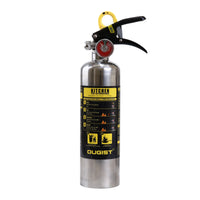
$65.32 $78.38
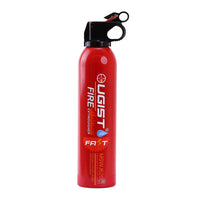
$14.99 $17.99