How to Prepare Your Home for a Wildfire: A Homeowner’s Checklist
Wildfires can threaten homes even before the main flames arrive. Wind-blown embers may travel ahead of a fire and land on roofs, gutters, decks, landscaping, and other combustible materials around a property.
That is why wildfire preparation should begin before an emergency happens. Reducing combustible materials around your home, maintaining vegetation, keeping roofs and gutters clean, and preparing an evacuation plan can all help make your household better prepared.

1. Start With the First 5 Feet Around Your Home
The area immediately surrounding your house deserves special attention. Dry leaves, pine needles, dead plants, wood mulch, cardboard, firewood, and other combustible materials can provide fuel if embers land nearby.
Walk around your home and check areas near:
- Exterior walls
- Windows and doors
- Decks and porches
- Fences
- Outdoor storage areas
Remove unnecessary combustible debris and keep this area as clean and well maintained as possible.
2. Keep Roofs, Gutters, and Decks Clean
Leaves, branches, pine needles, and other dry debris can collect on roofs, inside gutters, and beneath decks. During a wildfire, airborne embers may land in these areas.

Regularly inspect and clean roof surfaces, gutters, roof valleys, porches, decks, and spaces beneath raised structures. Also check for damaged or loose roofing materials and repair them when necessary.
3. Manage Vegetation and Outdoor Storage
You do not need to remove all landscaping around your home, but vegetation should be regularly maintained. Remove dead plants and branches, trim overhanging limbs, maintain grass, and avoid allowing shrubs and dry vegetation to form a continuous path toward the structure.
Wildfire preparation should also include garages, sheds, workshops, carports, and other outbuildings. Keep these areas organized and avoid unnecessary buildup of cardboard, scrap wood, dry vegetation, and other combustible materials.

4. Prepare an Evacuation Plan Before You Need It
Protecting property is important, but personal safety comes first. Every household should have an evacuation plan before wildfire conditions become dangerous.
Your plan should account for children, older adults, people with mobility needs, pets, important medications, essential documents, and more than one route out of your neighborhood.

Do not delay evacuation in an attempt to protect property.
5. Sign Up for Local Emergency Alerts
Wildfire conditions can change quickly. Know where your city, county, or state publishes evacuation warnings, evacuation orders, road closures, shelter information, and emergency updates.
Follow official emergency management agencies, local fire departments, and other government sources during an active wildfire. Do not rely only on social media posts or neighborhood rumors for evacuation decisions.
Wildfire Home Safety Checklist
- Clear dry and combustible materials near the home.
- Clean roofs and gutters.
- Remove debris beneath decks.
- Trim dead and overhanging vegetation.
- Move firewood away from the structure.
- Check garages, sheds, and outdoor storage.
- Sign up for local emergency alerts.
- Identify multiple evacuation routes.
- Prepare important medications and documents.
- Create an evacuation plan for pets and family members.
Wildfire preparation is not a one-time project. Regular maintenance and advance planning can help reduce vulnerabilities and make it easier to respond quickly if conditions change.
Build a More Complete Home Fire Safety Plan
Wildfire preparation is only one part of protecting your household. A more complete fire safety plan should also include working smoke alarms, a clear evacuation plan, regular safety checks, and appropriate emergency equipment for common household fire risks.

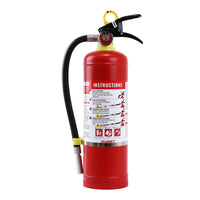
Essential 2.5 lb ABC Fire Extinguisher
A compact option for appropriate common Class A, B, and C fire risks around the home as part of a broader fire preparedness plan.
Explore Fire Extinguisher
Full-Face Emergency Smoke Escape Mask
A single-use emergency escape aid designed to provide respiratory and facial protection while moving toward a safe exit during a fire emergency.
Explore Escape MaskFrequently Asked Questions
How much space should I clear around my home?
The area immediately surrounding the home is especially important. Start by removing combustible debris close to exterior walls, decks, porches, and other parts of the structure, then continue managing vegetation farther outward according to local wildfire guidance.
What should I remove first?
Start with dry leaves, pine needles, dead vegetation, combustible mulch, cardboard, firewood, and other easily ignited materials located close to the house.
Should I stay and protect my house during a wildfire?
If local authorities tell you to evacuate, follow their instructions and leave promptly. Personal safety should always come before attempting to protect property.
Can a fire extinguisher be used to fight a wildfire?
A portable fire extinguisher is intended for appropriate small, early-stage fires—not for fighting an advancing wildfire. During a wildfire emergency, follow official evacuation instructions and move to safety.