A busy kitchen can hide fire hazards in familiar routines: crumbs left in a toaster, a greasy hood filter, a damaged cord, or a pan left heating while you answer the door. This guide covers five checks you can make before cooking, plus how to choose a safer response if a fire starts.
Prevention comes first. The U.S. Fire Administration advises staying by your pan and turning the burner off if you leave the kitchen. Fire equipment supports a safety plan; it does not make an unattended stove safe.
1. Crumbs and food residue inside small appliances
Crumbs in a toaster and food residue around heating elements can accumulate where you do not normally look. A quick wipe of the outside does not clean the parts where residue collects.
What to do: Unplug the appliance, let it cool, and clean the removable crumb tray or other user-serviceable parts according to the manufacturer's instructions. Do not insert metal objects into a toaster or immerse an electrical appliance in water. If an appliance smokes, sparks, or smells burnt during normal use, stop using it and follow the manufacturer's service guidance.
2. Grease buildup on the range hood and cooking area
A hood filter that looks dark or feels greasy needs attention. Grease can collect on filters, nearby surfaces, and areas hidden from everyday view.
What to do: Clean or replace the filter as directed for your hood model. Let surfaces cool before cleaning and use the recommended method. Set your inspection routine around how often you cook; a household that fries frequently may need to check more often. Do not assume every filter is washable.
3. Damaged cords and overloaded connections
A cord pinched behind an appliance, a loose plug, or a damaged outlet can turn an ordinary cooking task into an electrical hazard. Several high-power appliances connected to one power strip can also overload the connection.
What to do: Stop using equipment with frayed insulation, exposed wiring, scorch marks, or an unusually hot plug. Unplug it only if safe. Follow the appliance's outlet requirements and arrange repair through the manufacturer or a qualified professional. Tape over a damaged cord is not a repair.
4. Combustible clutter beside the stove
Paper towels, oven mitts, food packaging, and curtains can end up close to a hot burner. A crowded counter also makes it harder to put a lid down safely or reach a clear exit.
What to do: Move anything that can burn away from the cooking area before turning on the heat. Keep appliance clearances required by the manufacturer. Turn pot handles toward the back of the stove and keep children and pets out of the immediate cooking area.
5. Unattended oil and an unclear response plan
Oil that is smoking is a warning to turn down the risk, not to keep heating it. A phone call or delivery can pull your attention away just when a pan needs it most.
What to do: Stay in the kitchen while frying. If you leave, turn the burner off. Keep a suitable pan lid or baking sheet nearby. For a small, contained pan fire, cover the pan and turn off the burner only if you can do so safely. Do not carry a burning pan or put water on burning cooking oil. If the fire is spreading, smoke is building, your exit is threatened, or you are unsure, get everyone out and call 911 from a safe place.
A short check before you cook
- Clear combustible items from the stove and keep an escape route open.
- Check the pan, appliance cord, and cooking surface.
- Have a lid nearby and turn handles inward.
- Plan to stay with the cooking; switch off before stepping away.
- Know how to alert others and leave safely.
Choose fire equipment for the actual hazard
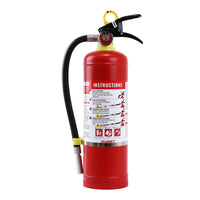
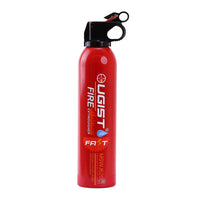
ABC and Class K are different classifications. Class K addresses cooking oils and fats in cooking appliances; an ABC label alone does not establish Class K suitability. Check the exact product label, instructions, and any required independent certification. Choose equipment you are trained and physically able to use, and keep it accessible from an exit rather than directly over the stove.
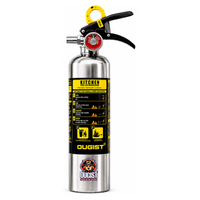
For OUGIST's current kitchen product, review the 40 oz Stainless Steel Class K Kitchen Fire Extinguisher and its instructions. Compare classifications in our ABC versus Class K guide, or explore the kitchen safety planning page. Buying equipment does not replace smoke alarms, an escape plan, or training.
Sources and further guidance
- U.S. Fire Administration: Cooking Fire Safety
- U.S. Fire Administration: Choosing and Using Fire Extinguishers
Public safety references support the general guidance above; they do not endorse OUGIST products.