OUGIST KNOWLEDGE BASE · PRACTICAL FIRE SAFETY
An outlet does not have to stop working to become unsafe. In fact, continued power can make it tempting to ignore a smell, a sound or a loose connection.
Use these five signs to decide when to stop using an outlet and seek qualified help. They are warning indicators, not a diagnosis of a particular wiring fault. Do not deliberately touch a suspect outlet, insert objects into it or remove the cover to investigate.
1. Unusual heat around the outlet or plug
An unusually warm or hot outlet, plug or faceplate deserves attention. Possible causes include excessive load, poor contact or a fault, and a surface check cannot reliably distinguish them. Do not touch an outlet to test whether it has become dangerously hot.
Stop using the affected equipment. If you can safely identify and access the appropriate breaker without approaching smoke, fire or exposed electrical parts, switch off the circuit. Do not handle a hot, melted or sparking plug. Arrange an electrician’s inspection before returning the outlet to use.
What to do
- Keep people away from the suspect outlet.
- Do not substitute another high-power device as a test.
- Describe the heat and connected equipment to the electrician.
Keep in mind: Cooling after you stop use does not prove that the fault is repaired.

2. Brown marks, scorching or melting
Discoloration, deformation or a burnt-looking plug can indicate that heat has damaged electrical components. A cleaner-looking cover plate cannot fix damaged contacts or wiring behind it. Avoid treating the visible mark as only a cosmetic issue.
An electrician can evaluate both the outlet and the connected equipment. Record what you noticed from a safe distance, including whether the sign appeared suddenly. In rented housing, report the issue promptly to the property manager and keep the outlet out of use while the repair is arranged.
What to do
- Stop using an outlet with scorching or melting.
- Do not paint over or conceal the warning sign.
- Have the underlying condition checked before reusing it.
Keep in mind: Replacing the visible plastic alone is not a diagnosis.

3. A burning smell near an outlet
A burning or hot-plastic smell near an outlet or plugged-in device may indicate overheating. A flame does not have to be visible for the situation to be serious. Do not put your face near the outlet or move furniture into smoke to locate the source.
If there is smoke, fire or rapidly worsening heat or odor, leave the building and call 911 from outside. If there is no active emergency, stop using the affected circuit when safe and arrange professional evaluation. Do not keep powering equipment to see whether the smell returns.
What to do
- Treat smoke or flames as an emergency and evacuate.
- Avoid handling a damaged or hot plug.
- Do not dismiss a repeated burning smell because power still works.
Keep in mind: Getting a closer look is not worth approaching a developing electrical fire.

4. Buzzing, crackling or repeated unusual sounds
Unexpected noise at an outlet can be a sign of an electrical problem. The cause cannot be confirmed by listening alone, and turning equipment on and off repeatedly can expose you to the same unresolved condition.
Stop using the outlet and report the sound, the appliance that was connected and any associated flickering or breaker trips. Different devices can make legitimate operating sounds, but do not assume that crackling from the connection is normal. A qualified electrician should determine the source.
What to do
- Avoid repeated test cycles at the affected outlet.
- Report whether the sound comes with heat, odor or flickering.
- Keep the outlet out of use until it is evaluated.
Keep in mind: A sound that stops when a plug is moved may still indicate a connection problem.

5. Plugs that slip out or will not stay seated
An outlet should hold a compatible plug securely. A loose connection can create poor contact and heating. The CPSC’s home electrical checklist advises checking for a snug fit and replacing worn receptacles through an appropriate repair process.
Do not bend plug blades, tape a plug into position or wedge something underneath it. Those workarounds hide the symptom while leaving the electrical connection uncertain. Ask an electrician to check whether the outlet, the plug or both need replacement.
What to do
- Stop using a connection that cannot hold the plug securely.
- Do not improvise a mechanical fix with tape or bent blades.
- Arrange repair rather than adding another adapter.
Keep in mind: The correct fix addresses the worn or damaged part.

A practical check to do today
- Report warning signs promptly, especially in rented housing.
- Keep children and pets away from affected outlets.
- Know how to contact your electrician or property maintenance service.
- Review the escape plan before any electrical emergency occurs.
Frequently asked questions
Can an outlet be unsafe if the breaker has not tripped?
Yes. The absence of a trip does not prove that the outlet or connection is safe. Heat, discoloration, odor, noises or a loose fit still need attention.
Should I unplug a melting or sparking plug?
Do not touch it. Stay clear, disconnect the circuit only if safely possible, and evacuate and call 911 when there is smoke, fire or worsening danger.
Can I fix a loose plug with tape?
No. Stop using the connection and have the worn or damaged components evaluated. Tape does not restore safe electrical contact.
Keep learning
Review the equipment after the safety check
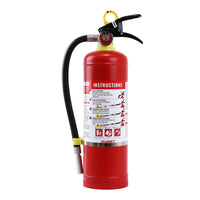
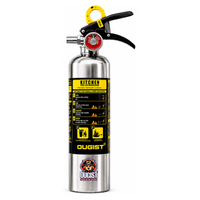
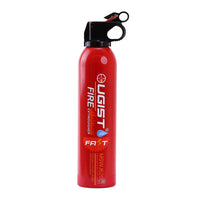
An extinguisher does not repair a faulty outlet. After arranging the electrical repair, review the labeled fire classes of your home equipment. OUGIST’s Essential ABC extinguisher is an option to examine for its specified uses; never use water on energized electrical equipment or remain in smoke to reach a product.
Read product details and instructions
September 2026 preparedness offer: OUGIST’s National Preparedness Month promotion provides an extra 15% off eligible storewide purchases automatically at checkout, through September 30, 2026 at 11:59 p.m. MDT. Check current availability and final pricing at checkout. This independent OUGIST promotion is not sponsored or endorsed by FEMA or NFPA.
By Mark, Ougist Content Team. Sources and product information reviewed September 13, 2026. Images are illustrative AI-generated visuals; they are not photographs of documented incidents.
Sources and further reading
- USFA: Appliance and electrical fire safety
- CPSC: Home electrical safety checklist
- USFA: Smoke alarms
- USFA: Home fire escape plans
- USFA: Choosing and using fire extinguishers
NFPA reference: NFPA: Electrical Safety Checklist (PDF)