College Freshman Move-In Checklist: Pack Smart, Settle In, Stay Safe
The first night in a dorm should not become a scavenger hunt for a phone charger, clean towel or emergency contact. The trick is to pack for how the room will actually be used—not for every imaginable college moment.

The short answer: bring the essentials for one comfortable night, one normal school day and one unexpected problem. Confirm your dorm's bed size, appliance rules and supplied furniture before buying storage or electronics. Then complete a five-minute safety setup before the boxes turn into clutter.
Before You Buy Another Bin, Ask Three Questions
Most overpacking begins with good intentions and missing measurements. First, check whether the bed is Twin XL and what furniture is already provided. Second, read the residence-hall rules for microwaves, mini fridges, coffee makers, power strips, hooks and personal fire-safety equipment. Third, coordinate with your roommate. Two desk lamps can coexist; two mini fridges usually cannot.
Pack a small first-night bag that does not disappear under bedding and boxes: ID, room key, medication, phone charger, a change of clothes, toiletries, towel, water bottle and a snack. If unloading runs late, that bag is the difference between settling in and opening twelve cartons at midnight.
Pack in Four Zones, Not Forty Tiny Lists
Sleep & clothing
Twin XL sheets if required, pillow, washable comforter, mattress topper, hangers, laundry bag, everyday clothes, comfortable shoes and rain gear. Under-bed storage comes after you confirm the clearance.
Study & tech
Laptop and charger, backpack, notebook, pens, headphones, planner and a desk organizer. Add one permitted surge protector with internal overload protection—never a chain of adapters.
Shared living
Shower caddy, towels, toiletries, laundry detergent, a few cleaning supplies, reusable cup and simple dishes. Bring modest snack quantities; restock after learning the room's real storage limits.
Health & records
First-aid basics, personal medication, flashlight, portable battery, student ID, insurance card and emergency contacts. Keep digital backups, but also carry the information needed if your phone is unavailable.

The Five-Minute Safety Setup Comes Before Decorating
Move-in day may be your only chance to see the floor clearly. Use it. Locate two ways out, decide where you would meet a roommate outside, and make sure boxes, rugs and furniture do not narrow the path to the door. Find the smoke alarm and building alarm information; report a problem to residence staff rather than testing, covering or altering equipment yourself.
Inspect chargers and cords before plugging them in. Retire anything frayed, loose, swollen or unusually hot. Do not run extension cords under rugs, daisy-chain power strips or charge a device under bedding. Cook only where your school permits it, and keep lamps and other heat sources away from paper, fabric and decorations.
If an alarm sounds: leave promptly, take the stairs, stay out and follow campus instructions. The U.S. Fire Administration identifies cooking, candles, smoking and overloaded power strips among recurring college-housing fire risks. The goal of a safety setup is not to fight a growing fire; it is to notice trouble early and keep a usable escape route.
For a deeper room-by-room safety review, use our College Dorm Fire Safety Checklist.
Your Printable College Freshman Move-In Checklist
The full checklist below keeps the detailed items in one place without turning the whole article into a catalog. Print it, mark what the school already supplies and cross out anything the residence hall prohibits.
Print-friendly backup: open the original full-size image, save or print one copy, and keep it with your move-in paperwork. It is especially useful when different family members are shopping or loading separate cars.
Open the full-size checklist
What Can Wait Until Week Two?
Extra organizers, bulk food, duplicate cleaning products and most decor can wait. Live in the room for a few days first. You may discover that the closet door blocks the storage tower, the nearest outlet is in the wrong place, or your roommate already owns the one shared item you were about to buy.
That pause also protects your budget. A dorm is a working room, not a showroom: if an item does not improve sleep, study, hygiene, daily organization or emergency readiness, it probably does not need to arrive on day one.
Optional Fire-Safety Gear: Check Housing Rules First
Residence halls already have building fire-protection systems and often restrict what students may bring. Ask campus housing before purchasing or mounting personal equipment. If it is not permitted in the dorm, the same compact products may be more appropriate for an off-campus apartment, family kitchen, vehicle or move-in emergency kit.

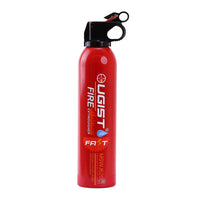
Compact first-response option
Portable Water-Based Class A/B/C/K Fire Spray
From $14.99
A lightweight format with an included mounting bracket. Use only for the label-specified hazards, only while a fire is small and contained, and only when you have a clear exit behind you.
Always follow the product label and campus policy. Evacuate if fire or smoke is spreading.
View water-based spray
No-powder coverage option
Quick Pull Fire Blanket with Designed Canvas Pouch
From $17.99
The 40×40-inch fiberglass blanket uses pull straps and a home-friendly canvas pouch. It is intended for small, contained flare-ups when used according to its instructions.
A fire blanket is not a substitute for evacuation, alarms, sprinklers or emergency services, and it should never be used on a fire that is unsafe to approach.
View canvas-pouch blanketFrequently Asked Questions
What does a college freshman really need on move-in day?
Prioritize bedding in the correct size, a first-night bag, study basics, bathroom supplies, medication, identification, chargers and a simple emergency kit. Add storage and decor only after checking the room.
Are surge protectors allowed in college dorms?
Policies vary. If allowed, use the type specified by your school, ideally with internal overload protection. Never daisy-chain strips, overload an outlet or hide cords under rugs or bedding.
Can students keep a fire extinguisher or fire blanket in a dorm?
Only if the residence-hall policy allows it. Do not mount equipment, alter a wall or place anything in a corridor without approval. Building alarms, sprinklers, evacuation plans and staff instructions remain primary.
What should stay at home?
Anything prohibited by housing rules—often open flames and certain cooking or heating appliances—plus bulky duplicates and unmeasured storage. When unsure, ask residence life before packing it.
References & Further Reading
- National Fire Protection Association (NFPA), “College Campus Fire Safety”. Guidance includes smoke alarms, evacuation planning, cooking, campus appliance rules and safe charging.
- U.S. Fire Administration, “Fire Safety for College Students”. Prevention guidance for electrical equipment, cooking, candles and campus housing.
- OUGIST, “College Dorm Fire Safety Checklist: 10 Tips for Students Moving In”.
Safety policies differ by institution and building. Your college housing office and product labels take priority over general packing advice.