OUGIST KNOWLEDGE BASE · PRACTICAL FIRE SAFETY
The object that first ignites is only part of a fire story. What surrounds it—and the paths available for air, heat and smoke—can affect what happens next.
These five conditions explain the theme of our fire-spread carousel. They are not a prediction for a particular home. Construction, contents, openings and the fire itself vary, so do not treat any test video or quoted escape time as a personal safety allowance.
1. Open interior doors
An open doorway allows heat and smoke to move between spaces more freely. FSRI’s Close Before You Doze research and education show how a closed door can provide a protective barrier during a fire. The benefit is not a promise that every closed room will remain safe.
Close bedroom doors before sleeping and include this habit in a plan with working smoke alarms. During evacuation, close doors behind you if doing so does not delay escape. Do not go back through danger to close additional doors, and never wedge open a fire door that is meant to close.
What to do
- Use closed bedroom doors alongside working smoke alarms.
- Close doors as you leave only when safe and without delaying escape.
- Keep fire doors functional and report faults.
Keep in mind: A closed door can buy protection; it does not replace an escape plan.
Source: FSRI: Close Before You Doze.

2. Opening windows to try to clear fire smoke
Fire behavior changes when ventilation changes. Opening a window can supply additional air and alter the route that hot gases take through the building. The effect depends on the fire and the arrangement of openings; it is not a task for an occupant to experiment with.
Do not stop to open windows as a smoke-clearing strategy during a fire. Follow the safe escape route in your plan. A window that is a planned emergency exit is a separate case: the purpose is to escape safely, not manage the fire. If trapped, close the door and tell 911 where you are.
What to do
- Leave fire ventilation decisions to firefighters.
- Do not delay evacuation to open windows.
- Practice usable alternative exits before an emergency.
Keep in mind: An opening can change conditions beyond the room you are standing in.
Source: FSRI: Impact of ventilation on residential fire behavior.

3. Soft furnishings that become fuel
Upholstered furniture, cushions, blankets and other room contents can contribute fuel once ignited. FSRI’s comparisons of natural and synthetic furnishings show why materials and room contents matter in fire growth. They do not establish one universal burn time for every sofa or home.
You do not need to treat ordinary furniture as an emergency. The practical goal is to keep ignition sources away and preserve routes around the room. Do not put candles beside soft furnishings or allow a heater’s clearance zone to disappear under a blanket.
What to do
- Separate furniture and fabrics from flames and heaters.
- Keep smoking materials out of upholstered seating and sleeping areas.
- Place furniture so the exit route remains usable.
Keep in mind: Focus on preventing ignition and maintaining escape, not guessing how slowly an item might burn.
Source: FSRI: Natural and synthetic home furnishings comparison.

4. Accumulated combustible clutter
Paper, cardboard and textiles add combustible material. When stacked near a heat source or spread along a route, clutter can also make movement and firefighter access harder. The fire risk includes both what can burn and what blocks escape.
Start with a manageable clear path from sleeping areas to exits, then reduce accumulation around heaters, cooking areas and electrical equipment. Do not move everything into a stairwell or another shared exit route. NFPA’s Hoarding and Fire sheet explains fuel and access risks; everyday clutter is not, by itself, a medical diagnosis of hoarding disorder.
What to do
- Keep doorways, stairs and escape windows accessible.
- Reduce combustible accumulation near ignition sources.
- Ask for practical help if clearing routes is difficult.
Keep in mind: A clear route is useful now, even before the entire room is organized.

5. Fabric too close to a heater
A heater supplies the heat and nearby fabric supplies potential fuel. Direct contact is not the only concern: materials close to the heater can become dangerously hot. A room that starts with safe spacing can change when a curtain moves or clothing is laid over a chair.
USFA recommends keeping things that can burn at least 3 feet from heating equipment. Follow any greater manufacturer clearance, use a stable location, and switch portable heaters off before leaving or sleeping. Plug a portable electric heater directly into a suitable wall outlet, not a power strip or extension cord.
What to do
- Keep at least 3 feet between heating equipment and combustibles.
- Check curtains, bedding and furniture before each use.
- Turn the portable heater off before leaving the room or sleeping.
Keep in mind: Prevent the first ignition instead of relying on equipment to control a growing fire.
Source: USFA: Heating fire safety.

A practical check to do today
- Close bedroom doors and test the smoke alarms.
- Walk both planned routes out of sleeping areas.
- Clear paper, boxes and textiles away from heat sources.
- Agree that nobody will stop to ventilate a fire or retrieve belongings.
Frequently asked questions
Does closing a bedroom door really help during a fire?
A closed door can slow heat and smoke entering a room, as illustrated by FSRI research. Use it alongside working smoke alarms and a practiced escape plan.
Can opening a window make a fire worse?
It can change the air supply and movement of heat and smoke. Do not open windows to manage a fire; use your safe planned escape route.
How many minutes will I have to escape?
There is no guaranteed time. Fire development varies with the building, contents and ventilation. Respond immediately to an alarm and follow your escape plan.
Keep learning
Review the equipment after the safety check
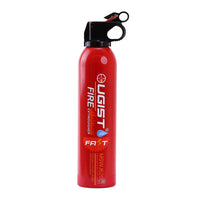
After reducing ignition risks and checking escape routes, review your household equipment. OUGIST’s Essential ABC extinguisher can be evaluated against its labeled uses, placement and maintenance instructions. No portable extinguisher guarantees control of a developing room fire, and retrieving equipment must never delay escape.
Read product details and instructions
September 2026 preparedness offer: OUGIST’s National Preparedness Month promotion provides an extra 15% off eligible storewide purchases automatically at checkout, through September 30, 2026 at 11:59 p.m. MDT. Check current availability and final pricing at checkout. This independent OUGIST promotion is not sponsored or endorsed by FEMA or NFPA.
By Mark, Ougist Content Team. Sources and product information reviewed September 13, 2026. Images are illustrative AI-generated visuals; they are not photographs of documented incidents.
Sources and further reading
- FSRI: Close Before You Doze
- FSRI: Impact of ventilation on residential fire behavior
- FSRI: Natural and synthetic home furnishings comparison
- USFA: Heating fire safety
- USFA: Smoke alarms
- USFA: Home fire escape plans
- USFA: Choosing and using fire extinguishers
NFPA reference: NFPA: Hoarding and Fire Safety tip sheet (PDF)