What to Do If Your Car Catches Fire: 6 Steps Every Driver Should Know
Smoke coming from your car can turn an ordinary drive into an emergency in seconds. Knowing what to do — and what not to do — can help protect you, your passengers and everyone nearby.

If you suspect a vehicle fire, protect people first: stop safely, get out, create distance and call 911.
What Should You Do If Your Car Catches Fire?
If you see smoke, smell something burning, notice sparks or flames, or otherwise suspect a vehicle fire, focus first on getting everyone to safety.
- Pull over as soon as it is safe.
- Turn off the engine.
- Get everyone out of the vehicle immediately.
- Keep the hood and trunk closed.
- Move at least 100 feet away and stay clear of traffic.
- Call 911 and do not return to the vehicle.
1. Pull Over as Soon as It Is Safe
If you notice smoke or signs of fire while driving, stay calm and look for a safe place to stop.
Signal, move out of active traffic when possible and bring the vehicle to a complete stop.
Do not continue driving simply because you cannot see flames. Smoke, a strong burning smell, unusual electrical behavior or rapidly increasing heat may indicate a developing problem.
2. Turn Off the Engine
Once the vehicle is safely stopped, switch off the engine and leave promptly.
Do not spend extra time gathering bags, electronics, groceries or other belongings. Help children and anyone who needs assistance exit the vehicle first.
3. Get Everyone Out — and Stay Out
Move every passenger away from the vehicle. Once you are out, do not go back inside a smoking or burning car.
Keep children and pets with you and account for everyone who was in the vehicle.

Smoke from under the hood is a warning sign. Stop safely and leave the hood closed.
4. Do Not Open the Hood or Trunk
One of the most important vehicle fire safety rules is also one of the easiest to forget: if you suspect a fire under the hood or inside the trunk, do not open it.
Opening a compartment can introduce additional oxygen and may allow a fire to grow. Flames, hot components, electrical hazards or other dangers may also be hidden behind the closed panel.
5. Move at Least 100 Feet Away
After everyone exits, move at least 100 feet away from the vehicle and remain well clear of moving traffic.
Vehicle fires may involve fuel, electrical systems, batteries, tires, plastics and pressurized components, so conditions can change quickly.
6. Call 911
Once you have reached a safer location, call 911.
Tell the dispatcher:
- Your location
- Whether there is visible smoke or fire
- What type of vehicle is involved
- Whether anyone is injured or trapped
- Whether the vehicle is gasoline-powered, hybrid or electric, if known

Create distance from the vehicle before calling for emergency assistance.
Should You Try to Put Out a Car Fire Yourself?
If the vehicle is actively burning, the safest approach for the general public is to get away and call 911 rather than approaching the vehicle.
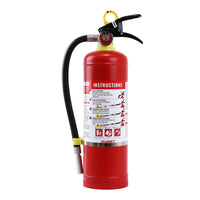
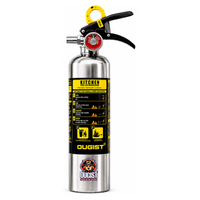
Portable fire-safety equipment can be part of a broader emergency preparedness plan, but carrying an extinguisher does not make every vehicle fire safe to approach.
What If Smoke Is Coming From Under the Hood?
If smoke begins coming through the gaps around the hood while you are driving, follow this sequence:
Pull over safely → Turn off the engine → Get everyone out → Keep the hood closed → Move away → Call 911.
Not every smoking vehicle will develop into a major fire, but an unknown roadside problem should not be diagnosed by opening a potentially dangerous compartment.
What If an Electric Vehicle Catches Fire?
The basic priorities remain the same: stop safely, shut down the vehicle, evacuate, create distance and call 911.
Do not touch exposed high-voltage components, cables or a damaged battery.
If you know the vehicle is electric or hybrid, tell the 911 dispatcher.
Why Do Cars Catch Fire?
Electrical Problems
Damaged wiring, electrical faults, overheated components or improperly installed accessories can create heat and increase fire risk.
Mechanical Problems
Fluid leaks, overheating, damaged components or neglected maintenance can contribute to dangerous conditions.
Crashes
A collision can damage electrical systems, fuel systems, batteries and other components.
Fuel or Flammable Liquid Leaks
Gasoline and other automotive fluids can become dangerous when they contact hot surfaces or ignition sources.
Battery Damage
Conventional electrical systems and high-voltage batteries in electric or hybrid vehicles can be involved in fire-related incidents.
Warning Signs You Shouldn't Ignore
- A persistent burning smell
- Smoke from the engine area
- Visible sparks
- Unusual electrical problems
- Repeated blown fuses
- Rapid or unexplained overheating
- Leaking fluids
- Damaged wiring
- Unusual sounds combined with smoke or heat
These warning signs do not automatically mean your vehicle is about to catch fire, but they are reasons to have the underlying problem professionally inspected.
How to Reduce the Risk of a Vehicle Fire
Good vehicle fire safety starts before an emergency occurs. Address warning lights, leaks, damaged wiring, unusual smells, overheating and recurring electrical problems promptly.
Vehicle owners should also periodically check for open safety recalls and follow any special instructions issued by the manufacturer or relevant safety authorities.
Build a Safer Roadside Emergency Kit
Fire safety is only one part of vehicle emergency preparedness. A practical roadside kit may include:
- A charged phone and vehicle charger
- First-aid supplies
- A flashlight
- Emergency visibility equipment
- Work gloves
- Basic roadside tools
- Drinking water
- An emergency blanket
- Emergency contact information
- Appropriate fire-safety equipment

Prepare before an emergency: keep roadside and fire-safety equipment organized, accessible and securely stored.
If you choose to carry portable fire-safety equipment, store it securely so it cannot move around the passenger compartment during sudden braking or a collision.
Emergency equipment is supplemental protection. It does not replace evacuation, calling 911, professional vehicle maintenance or instructions from emergency responders.
Car Fire Safety FAQ
Should you open the hood if your car is smoking?
No. If you suspect a fire under the hood, keep it closed and move away from the vehicle.
How far should you stand from a burning car?
Move everyone at least 100 feet away and remain well clear of active traffic.
Should you go back to your car for belongings?
No. Once you have evacuated, do not return for bags, phones or other property.
Should you call 911 for a car fire?
Yes. Once you are in a safer location, call 911 and provide your location and information about the emergency.
Can a fire extinguisher be part of a vehicle emergency kit?
Appropriate portable fire-safety equipment can be one part of a broader emergency kit when securely stored and properly maintained. It does not mean you should approach an actively burning vehicle.
The Bottom Line
If your car catches fire, remember:
Pull over. Turn off the engine. Get out. Keep the hood closed. Move at least 100 feet away. Call 911.
During an actual vehicle fire, your first priority is getting people to safety.
Add Fire Safety to Your Vehicle Preparedness Plan
The best time to prepare for an emergency is before it happens. Explore two OUGIST solutions designed for different roles in a broader home, travel and vehicle fire-safety setup.
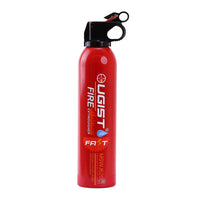
Home & Travel Compact 1.3 lb ABC Fire Spray

A compact ABC dry-chemical fire-safety option designed for convenient storage around the home, car, RV or travel kit.
Explore the 1.3 lb ABC Fire Spray →OUGIST Heat-Activated Aerosol Automatic Fire Extinguisher

Supplemental fire protection designed for small enclosed spaces such as vehicle engine compartments, electrical cabinets and equipment enclosures.
Explore Automatic Aerosol Protection →Fire-safety products are supplemental emergency-preparedness tools. Never remain near or approach an actively burning vehicle simply to use equipment. Evacuate, create distance and contact emergency services when conditions are unsafe.
Safety information: This article provides general fire-safety and emergency-preparedness information for U.S. drivers. For additional guidance, consult the U.S. Fire Administration and the National Highway Traffic Safety Administration . Always follow instructions from 911 dispatchers, firefighters, law enforcement and your vehicle manufacturer.